Developing, Maintaining & Upgrading PHP Systems
Hire PHP developers not just to build new features but to maintain or upgrade the existing legacy web systems. Most PHP systems we work on already exist. They have users, data, deadlines, and history. Development starts by understanding how the system behaves under real usage. Custom PHP development often requires balancing speed with control, extending what already works while introducing new components only where they reduce future complexity. That’s what our pre-vetted PHP developers are experts at.
For maintenance, our PHP developers handle dependency updates, performance fixes, and code paths that teams avoid touching. During upgrades and PHP migration, we plan changes in stages, test against live workflows, and keep rollback options ready. With 16+ years of delivery experience, we stay responsible for keeping systems stable while changes move forward safely.

Hire PHP Developers in 6 Easy Steps
Share System Context and Expectations
Before any engagement, we understand the real requirements for the projects. This is more than a spec document. PHP developers need to understand where the code stretches, which modules are fragile, and which features are critical to business continuity.
Identify PHP Developers Suited to the Work
Every system demands specific experience. Legacy-heavy platforms require different PHP development skills than feature-heavy greenfield modules. We map developers’ backgrounds to actual project needs, looking at past exposure to frameworks, database patterns, and integration challenges.
Review Technical Fit and Past Delivery
Technical interviews and code walkthroughs focus on real scenarios. We examine how candidates have handled live production challenges, maintained old systems, or managed PHP migrations. The goal is to see how PHP developers navigate complexity, make trade-offs, and deliver under constraints similar to your environment.
Confirm Scope, Access, and Ownership
We clarify exactly what developers will own, how changes are reviewed, and what access is available. This step aligns expectations and prevents downstream conflicts. Knowing whether they will touch core modules, maintain existing integrations, or handle PHP maintenance tasks ensures developers work efficiently.
Set Up Remote Working and Communication
Productive PHP development requires smooth workflows. We establish how the team will communicate, review pull requests, track issues, and share environments. Remote readiness is evaluated not as a formality but as a way to prevent delays caused by blocked approvals or missing information, keeping delivery predictable and transparent.
Onboard and Start With a Controlled Scope
The first assignment is deliberately scoped: a single module, a performance fix, or a PHP migration task. This allows both the business and developers to validate collaboration, code quality, and integration approach. After this phase, responsibilities expand only once the workflow, ownership, and results meet real expectations.
Custom PHP Development Solutions Our Developers are Proficient In
Modular & Extensible PHP Systems
Our PHP developers focus on creating modules that integrate cleanly with existing systems and can evolve without breaking core functionality. Each module we design is with future extensions in mind, ensuring maintainability and predictable behavior. Over 16+ years, we have learned that thoughtful module structure prevents technical debt and simplifies long-term PHP maintenance.
Custom PHP Development
We specialize in translating complex business workflows into robust PHP code. Developers carefully map processes to code while keeping edge cases, performance, and error handling in view. The result is PHP development that supports real operations reliably, instead of just ticking off functional requirements.
PHP Migration and Upgrade Projects
Our team handles PHP migration with full awareness of legacy risks. We analyze dependencies, evaluate performance impacts, and execute incremental migrations to minimize downtime. PHP upgrades and framework shifts are planned with rollback paths and automated tests, ensuring stability across live systems while new versions are implemented.
API Integration and Third-Party Connectivity
Integrating external systems is a complex process. Our PHP developers design connectors that handle authentication, data consistency, and error recovery gracefully. Each integration is tested under production-like conditions to avoid failures that could disrupt operations, whether it’s internal tools, payment gateways, or external SaaS platforms.
Performance Optimization and Scalability
Custom PHP development is all about efficiency. Our developers profile bottlenecks, optimize database queries, and refactor critical code paths. We treat scalability as a first-class concern, ensuring PHP applications continue to handle growing user loads without causing service interruptions or long-term maintenance headaches.
Ongoing PHP Maintenance and Support
Beyond building features, our PHP developers ensure systems remain stable and adaptable. We proactively monitor issues, update dependencies, and resolve recurring problems before they affect users. Maintenance work is structured with version control, testing, and documentation, so the system evolves safely, and internal teams can rely on consistent support.
Flexible Hiring Models As Per Your Needs

Full-Time Monthly Hire
For projects that require continuous attention, full-time PHP developers are embedded into your team with dedicated ownership. They handle day-to-day development, PHP module development, and maintenance tasks, tracking progress like an internal engineer. Full-time engagement ensures consistency, faster decision-making, and deeper knowledge of your system.
- 9 hrs/day
- 180 Hours
- Direct Communication
Part-Time Monthly Hire
Part-time PHP developers are ideal when ongoing guidance or incremental feature development is needed without full-time commitment. They focus on specific modules, PHP maintenance, or planned upgrades, integrating with your team’s workflow. This model allows you to balance costs and control while still having access to experienced developers who understand your system’s architecture and priorities.
- 4 hrs/day
- 80 Hours
- Daily Reporting
Hourly Hire
Hourly PHP developers are best for well-defined tasks, quick fixes, or advisory work. They can address performance issues, code reviews, or small-scale PHP migration work without the overhead of a long-term engagement. Each hour is tracked against deliverables, and developers work with existing teams to provide targeted expertise, ensuring progress without disrupting ongoing operations.
- 50/100 Hours
- SCRUM
- Version Control
Work That Makes Us a Leading Web & Mobile App Development Company
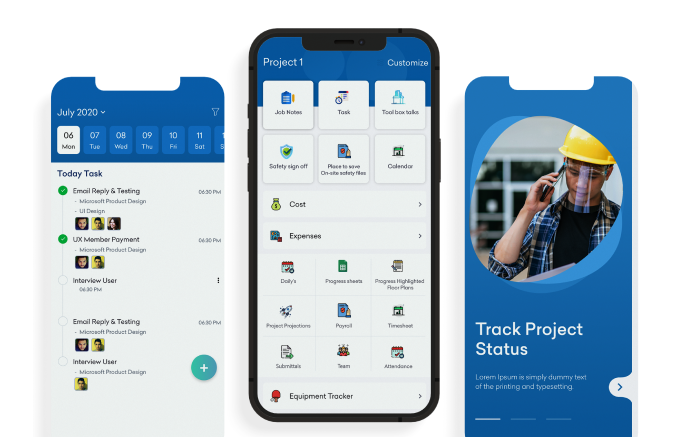
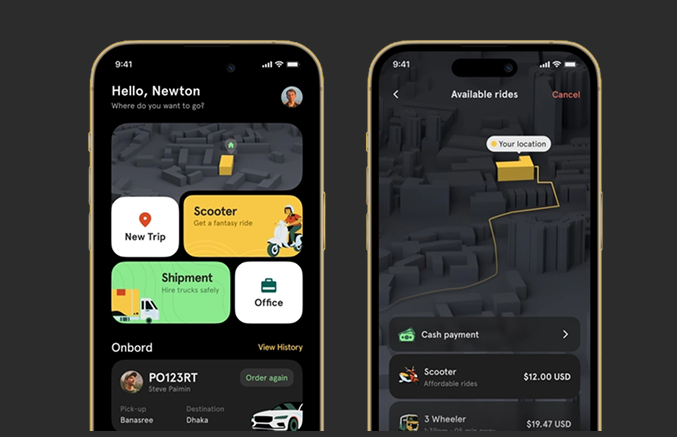
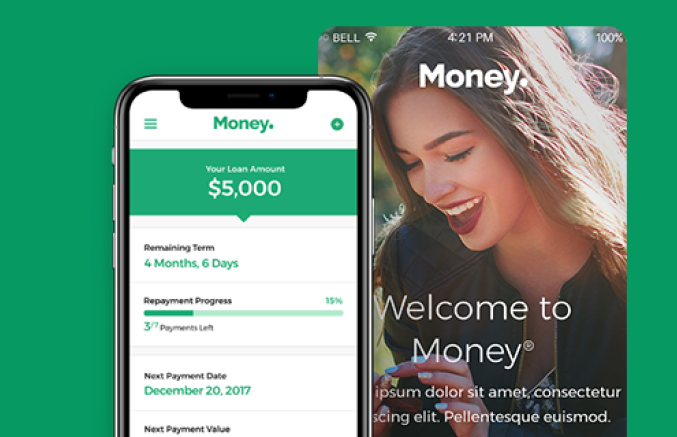
These case studies reflect our expertise, from architecture to live deployment. Each example highlights real decisions, technical execution, and outcomes observed in production environments.

Why Hire PHP Developers from Mtoag Technologies?
Deep Production Experience
Our PHP developers bring 8+ years of average hands-on experience across enterprise systems, legacy platforms, and high-traffic web applications. They know how changes affect live systems, module dependencies, and business workflows. This experience ensures PHP development is done with foresight, reducing risks and keeping your system stable as it evolves.
End-to-End Ownership
Developers take responsibility for the areas they manage, from custom PHP development to PHP maintenance. They own features, modules, or migrations, tracking their impact from design through deployment. This sense of accountability ensures changes are predictable, regressions are minimized, and internal teams can rely on consistent delivery.
Practical Problem-Solving Approach
We focus on solving real-world challenges, not abstract exercises. Whether it’s PHP module development, performance tuning, or integration with external systems, our developers evaluate trade-offs, plan incremental changes, and avoid shortcuts that create long-term issues.
Flexible Engagements for Every Requirement
Our PHP developers integrate seamlessly into your team through full-time, part-time, or hourly models. Engagement is based on your operational needs, project complexity, and timeline, ensuring resources are allocated efficiently. Flexibility allows teams to scale development, maintenance, or upgrade work without disrupting internal workflows.
Legacy System Expertise
Many projects involve inherited systems with a complex history. Our team evaluates legacy PHP code, identifies fragile modules, and applies careful refactoring. PHP migration, upgrades, or enhancements are executed in controlled steps, minimizing risk while improving performance and maintainability over time.
Transparent Communication and Collaboration
Our developers work in your existing workflows and communication channels. Progress, blockers, and trade-offs are shared openly, allowing internal stakeholders to make informed decisions. This approach ensures PHP development aligns with business priorities while maintaining technical discipline.







Frequently Asked Questions (FAQs)
How Do I Assess the Technical Fit of PHP Developers?
+Evaluating PHP developers goes beyond resumes. Look at past projects, the complexity of modules handled, and experience with live systems. Code walkthroughs, debugging exercises, and discussions about past PHP maintenance or migration work reveal problem-solving approach, familiarity with frameworks, and the ability to make safe, long-term changes.
Can PHP Developers Work With Our Existing Team and Processes?
+Yes, our developers adapt to your workflow, version control standards, and deployment practices. They integrate into existing teams for PHP module development, custom PHP development, or maintenance tasks, ensuring collaboration doesn’t disrupt ongoing projects while bringing their 8+ years of practical delivery experience to accelerate work safely.
How Do You Handle Legacy PHP Systems or Complex Modules?
+Legacy systems are assessed first for stability, dependencies, and risk points. PHP maintenance or migration is planned incrementally, with rollback paths and testing in production-like conditions. Developers prioritize extending stable areas and refactoring only when necessary, ensuring upgrades or module changes do not destabilize critical business operations.
What is the Onboarding Process for Hired PHP Developers?
+Onboarding starts with a system audit, codebase review, and understanding workflows. Developers are assigned an initial controlled scope to validate integration, coding standards, and ownership clarity. Once expectations and working rhythm are confirmed, responsibilities expand naturally without disrupting ongoing operations.
How Do You Ensure Long-Term Stability and Support?
+Our PHP developers plan every change with maintainability in mind. PHP maintenance includes dependency updates, performance tuning, and monitoring recurring issues. Custom PHP development or module work is documented, tested, and communicated openly, so your team can rely on the system months or years after deployment without surprises.