Developing and Maintaining Online Grocery Platforms Since 2009
Our decade-long delivery experience shows in how we develop, delivery and maintain grocery apps after they go live. We support platforms already processing daily orders, refunds, substitutions, and delivery updates. Our teams plan releases around trading hours, coordinate fixes without disrupting active carts, and address issues as they appear.
We remain responsible for feature adjustments, data corrections, and performance tuning driven by real usage. We work inside existing operations, not around them. That means understanding handoffs between catalogue updates, pricing rules, fulfillment workflows, and customer communication.
Long after launch, the app remains our responsibility. Support covers operational changes, third-party updates, and evolving business rules without resetting delivery ownership or shifting accountability elsewhere as the platform grows over time.
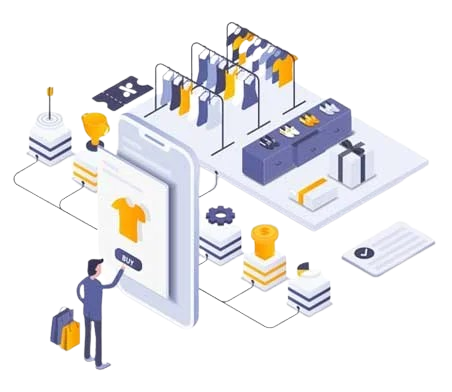
Our Grocery App Development Services
Custom Grocery App Development
We design and build end-to-end grocery platforms aligned to real operations. That includes product structures, pricing logic, promotions, customer accounts, ordering flows, and fulfilment coordination. We define boundaries between services early, document responsibilities, and plan for change. Delivery focuses on stability under live ordering, predictable releases, and long-term maintainability rather than short-term shortcuts or surface-level functionality within evolving grocery businesses.
System Architecture and Data Flow Planning
We plan system architecture around data flow accuracy and operational constraints. Stock, pricing, substitutions, and availability updates move through defined paths with clear ownership. We align APIs, background processes, and admin tools to reduce inconsistencies. Architecture decisions consider future integrations, reporting needs, and recovery paths when upstream data changes unexpectedly during trading periods without disrupting active customer sessions or live orders.
Frontend and Backend Delivery Coordination
Our teams coordinate frontend and backend work as a single delivery stream. Interfaces are agreed early, validated continuously, and adjusted as behaviour emerges. Mobile, web, and backend changes are released together to avoid mismatches. We test edge cases seen in real grocery journeys, ensuring customer actions, calculations, and confirmations behave consistently under load during peak ordering windows and promotion periods.
Applied AI Integrations for Grocery Operations
We integrate AI to support measurable operational outcomes. That includes search relevance, recommendations, demand signals, and customer support automation. Models are introduced carefully, monitored, and adjusted based on real usage. We avoid dependency on opaque behaviour, keeping human control, fallbacks, and explainability so operations teams can intervene when results drift during trading and post-release reviews with documented ownership paths.
Performance Monitoring and Release Handling
We manage performance and releases around real ordering behaviour. Monitoring highlights slow paths, failures, and usage spikes. Releases are scheduled, verified, and rolled out with rollback plans ready. When issues appear, we isolate causes quickly and stabilize the platform while communicating clearly with stakeholders managing day-to-day grocery operations during peak demand periods and seasonal trading changes without service disruption risk.
Grocery App Maintenance and Platform Upgrades
We provide ongoing grocery app maintenance as part of delivery ownership. That covers bug fixes, platform updates, dependency changes, and feature adjustments requested after launch. Work is prioritized with operations teams, tested against live behaviour, and released safely. The goal is continuity, predictable costs, and steady improvement without destabilizing daily ordering across evolving grocery business requirements and platform update cycles.
Technology Stack Used in Grocery App Development
Backend
- Node.js
- Java
Databases
- PostgreSQL
- Redis
Cloud & Infrastructure
- AWS
AI & Data
- Python-based services
Work That Makes Us a Leading Web & Mobile App Development Company
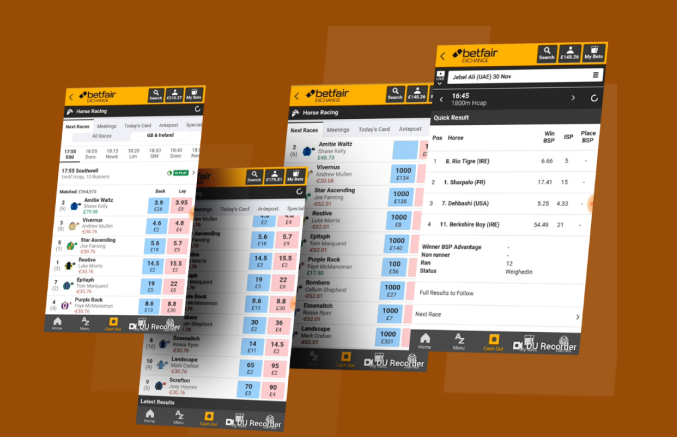
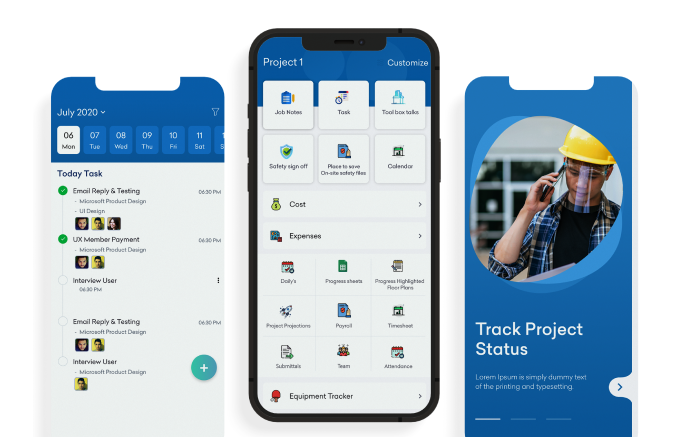
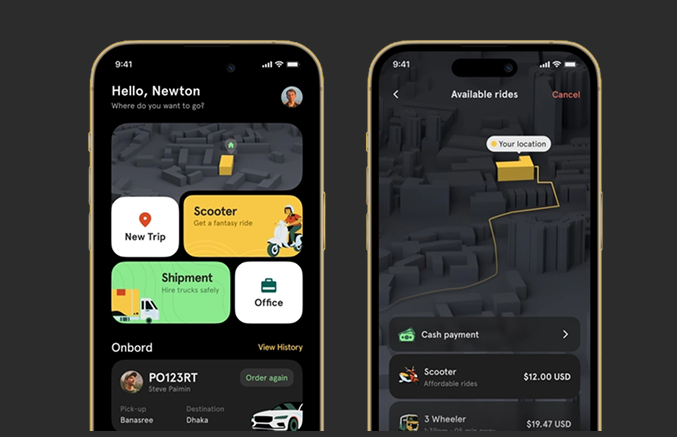
These case studies reflect our expertise, from architecture to live deployment. Each example highlights real decisions, technical execution, and outcomes observed in production environments.
Why Choose Mtoag for Grocery App Development?
Delivery Decisions That Control Costs
We control costs through early design decisions tied to operations. Data models, integrations, and release approaches are chosen to reduce rework and support change. That avoids expensive rewrites later. Spending aligns with what the grocery business actually needs to run daily orders, promotions, and fulfilment, not to abstract technical ambitions disconnected from delivery realities that increase long-term maintenance costs unexpectedly.
Real Problem Solving in Live Environments
We solve problems as they appear in live systems. When ordering behaviour, data, or integrations misalign, we investigate directly in production contexts. Fixes are practical, documented, and verified under real conditions. The emphasis stays on restoring stability and preventing recurrence, not creating process overhead or unnecessary complexity that slows delivery or confuses operations teams during critical trading windows.
Maintainable and Accountable AI Usage
Our use of AI remains maintainable and accountable. We design models, integrations, and monitoring so that behaviour can be reviewed and adjusted. When outputs affect ordering, pricing, or support, human oversight stays in place. That reduces risk and ensures AI supports operations rather than introducing hidden dependencies that complicate long-term support and ongoing change requests from grocery operations teams over time.
Long-Term Ownership After Launch
We stay responsible after launch, including maintenance, fixes, and improvements. Support is not treated as an add-on. The same delivery mindset continues, with clear ownership of outcomes. That continuity reduces knowledge loss and shortens response times when issues arise in live grocery ordering environments managed across releases, updates, and operational changes without re-onboarding new teams or resetting delivery context cycles.
UK Grocery Operational Understanding
We work with UK grocery operations and understand local constraints. Trading patterns, fulfilment expectations, compliance considerations, and customer behaviour shape delivery decisions. Collaboration aligns with UK working hours and decision cycles. That reduces delays, miscommunication, and assumptions that often disrupt delivery when teams operate without regional context during promotions, holidays, and high-volume trading periods common in UK grocery retail environments.
Clear Accountability Throughout Delivery
We maintain clear accountability throughout delivery and support. Responsibilities are defined, tracked, and owned by the same team. Decisions, fixes, and releases have traceability. That clarity builds trust with stakeholders who rely on the grocery platform to perform consistently without ambiguity around ownership or response expectations during incidents, changes, and ongoing operational demands that affect daily trading and customer experience.
FAQs
How Much Does Grocery App Development Cost in the UK?
+Costs depend on scope, integrations, and operational complexity. For UK grocery platforms, initial builds typically range from £40,000 to £120,000. Ongoing maintenance, support, and improvements are usually planned as monthly engagements based on workload rather than fixed retainers.
How Long Does It Take to Develop a Grocery App?
+Initial delivery commonly takes 4 to 7 months, depending on integrations, ordering complexity, and operational readiness. Timelines include planning, building, testing, and controlled launch rather than a single release event.
Do You Provide Grocery App Maintenance After Launch?
+Yes, grocery app maintenance is part of our delivery ownership. We handle bug fixes, performance issues, platform upgrades, and feature changes as the business evolves.
What Support is Available During Live Issues?
+When issues occur, we investigate directly in production contexts, apply fixes, communicate status clearly, and remain responsible until the platform stabilizes.
UK Development Services
Mobile App Development Services for UK Businesses
UK businesses choose Mtoag when they need a mobile app development partner that understands local compliance expectations, UK user behaviour, and the pressure to launch quickly without sacrificing quality. Whether you are a London fintech startup, a Manchester retail brand, or an enterprise team modernising field operations, our mobile delivery model focuses on production stability, clear ownership, and long-term maintainability rather than one-off demos.
Our mobile cluster covers native Android development, iPhone and iPad apps, React Native cross-platform builds, and dedicated developer hiring models. Each service page links to real delivery capabilities — architecture planning, API integration, App Store and Play Store release support, performance optimisation, and post-launch maintenance. This structure helps search engines and users understand how our UK mobile capabilities connect as one coherent practice.
If you are comparing vendors for mobile app development in London or anywhere in the United Kingdom, start with our pillar overview and explore the specialist pages below. You can hire a full delivery team or augment your in-house squad with UK-aligned React Native, Android, or iOS developers who integrate into your sprint cadence and stay accountable after launch.
Why UK Businesses Invest in Mobile Apps
Mobile apps are essential for UK brands competing on convenience and loyalty. Customers in London, Manchester, Birmingham, and Edinburgh expect reliable iOS and Android experiences with secure accounts and fast checkout. Grocery Delivery App Development UK helps product owners deliver production-ready software with clear milestones and post-launch accountability.
UK founders often underestimate the gap between a prototype and a store-ready product. App Store policies, accessibility, payments compliance, and performance on mobile networks require experienced engineering from sprint one.
Our UK Mobile Delivery Process
Every engagement starts with discovery: user journeys, technical risks, integrations, and success metrics. We document APIs, data models, and release criteria before production code begins.
QA includes real-device testing and performance profiling. Release management covers staged rollouts, crash monitoring, and hotfix playbooks so your team is supported on launch night.
After go-live we handle OS upgrades, compatibility patches, and feature iterations. UK clients keep the same engineers who built the product.
Industries We Serve in the United Kingdom
Our portfolio spans fintech, healthcare, on-demand transport, food delivery, retail, property, and enterprise tools. Each sector brings distinct compliance and UX pressures including GDPR and WCAG expectations.
Whether you are a Shoreditch startup or a Midlands enterprise modernising field workflows, we adapt squad size and cadence to your governance model.
Technology Choices for UK Mobile Products
Native Kotlin and Swift suit maximum performance and deep hardware access. React Native and Flutter reduce time-to-market when one squad ships both iOS and Android.
Backend work typically involves REST or GraphQL, OAuth2, push services, and AWS or Azure UK hosting when data residency matters.
Engagement Models and UK Pricing Transparency
Mtoag offers dedicated hires, hybrid squads, and managed delivery. UK clients get weekly visibility and direct access to tech leads without surprise team swaps.
When comparing Grocery Delivery App Development UK vendors, evaluate total cost of ownership: recruitment time, defect rates, and maintenance inclusion — not day rates alone.
Fixed-price MVPs, time-and-materials scale-ups, and retained evolution teams are documented with scope boundaries so procurement and founders share the same expectations before work begins.
Choosing the Right UK Mobile Partner
Evaluate portfolios for production longevity, not only UI screenshots. Ask how vendors handled store rejections, payment failures, and OS upgrades on live UK apps.
Grocery Delivery App Development UK provides references under NDA, clear replacement policies for dedicated hires, and honest timelines when scope or compliance requirements expand mid-programme.
Related UK services
Native Kotlin apps for UK enterprises and startups
iPhone App Development Company UKCustom iOS applications for the UK market
Hire React Native Developers UKCross-platform mobile teams for faster UK delivery
Hire Flutter Developers UKSingle codebase apps for iOS and Android
Taxi App Development UKOn-demand transport and mobility applications
Food Delivery App Development UKRestaurant and delivery platform builds
Related insights
- Top Mobile App Development Companies in UK— Industry comparison for UK buyers
- Mobile App Development Process Guide— Step-by-step delivery framework
- Mobile Apps for UK Startups— Business case for early-stage founders