Select from the Top 1% of Talent
We don’t source developers based on resumes or interview performance alone. We filter talent based on how they reason through trade-offs, handle messy requirements, and respond when systems behave unexpectedly. Every full-stack developer here has worked on live web application development projects where frontend decisions affected backend performance and database design shaped product behavior.
Many already use AI tools to speed up code reviews, refactor legacy modules, analyze logs, and reduce repetitive work without replacing engineering judgment. They treat AI as a productivity layer, not a replacement for thinking.
With our proven delivery history, we know which developers adapt, communicate clearly, and stay accountable after launch. You work directly with engineers who understand trade-offs, timelines, and real production pressure.

Our Simple Hiring Process
Understanding the Actual Requirements
We start by understanding what already exists, not what sounds ideal on paper. That includes current code quality, infrastructure choices, deployment habits, and technical debt. This helps us map developers who fit your reality, and prevents early mismatches that waste weeks.
Matching Developers by Delivery Experience
We match developers based on similar systems they have already worked on. Traffic patterns, data complexity, third-party integrations, and long-term maintenance matter here. We don’t guess capability. We align proven experience with your stack so onboarding feels natural, not forced or overly instructional.
Technical Evaluation
You speak directly with the developer or technical lead. This conversation covers architecture thinking, API handling, frontend decisions, and deployment expectations. You can assess clarity, problem-solving approach, and communication style before any commitment happens.
Trial Alignment Before Lock-In
Before long engagements, we allow controlled trial periods. Developers work on real tickets. You see how they read existing code, ask questions, push changes, and handle feedback. This phase reduces risk and builds confidence on both sides early.
Onboarding
We onboard your developers seamlessly, integrating them with your team, tools, repositories, and communication channels. From day one, they are fully aligned with your workflows, responsibilities, and reporting structure.
Ongoing Performance and Ownership Review
We continuously review delivery quality, response time, and system impact. If priorities shift, we adapt developer focus quickly. Our responsibility doesn’t end at placement. We stay involved to ensure code quality, production stability, and long-term maintainability remain intact.
Hire Full-Stack Developers to Build
Custom Web Application Development
Our full-stack developers build web applications by aligning frontend behavior with backend constraints early. They plan state management, API contracts, and database flows together, reducing rework later. This approach helps teams avoid fragile interfaces and unclear responsibilities across layers while keeping long-term maintenance predictable.
Frontend and Backend Development Ownership
Developers handle frontend and backend development as a single responsibility. UI decisions account for backend latency, validation rules, and data structure realities. Backend logic considers frontend usability and performance needs, keeping releases aligned and reducing friction between product and engineering.
API Development and Integration Work
Our team designs APIs with real consumption patterns in mind. They document endpoints clearly, handle versioning carefully, and think through failure states. Whether its internal services or third-party integrations, developers ensure APIs remain stable as features evolve and usage grows.
Database Design and Data Handling
Developers plan database design around access patterns. They handle migrations safely, optimize queries based on usage, and respect data consistency rules. This helps applications remain responsive while avoiding silent data issues that surface months after launch.
Application Maintenance and Production Support
We don’t disappear after deployment. Our full-stack development team stays involved in application maintenance, bug fixes, performance tuning, and refactors. They read logs, trace issues, and resolve production problems responsibly, ensuring systems remain reliable as traffic, features, and dependencies change.
Architecture Evolution and Refactoring
Our developers improve architecture incrementally instead of forcing rewrites. They refactor safely, replace weak components, and document changes clearly. This keeps systems adaptable without disrupting active users, helping teams extend product life without accumulating unmanageable technical debt.
Choose Engagement Models As Per Your Need

Full-Time Monthly Hire
Full-time monthly hiring suits teams with steady roadmaps and ongoing development needs. Developers work exclusively with your product, follow your sprint rhythm, and take ownership of modules. This model supports deeper system understanding and long-term accountability without recruitment overhead.
- 9 hrs/day
- 180 Hours
- Direct Communication
Part-Time Monthly Hire
Part-time hiring works when the workload fluctuates or specialized support is needed. Developers contribute to defined scopes, handle feature extensions, bug resolution, or maintenance tasks, and stay aligned with your internal team without creating unnecessary fixed cost commitments.
- 4 hrs/day
- 80 Hours
- Daily Reporting
Hourly Hire
Hourly hiring is best for minor tasks, audits, or urgent fixes. You pay only for the actual work delivered. Developers focus on clearly scoped issues, provide updates transparently, and step out cleanly once objectives are complete, keeping engagement flexible and cost-controlled.
- 50/100 Hours
- SCRUM
- Version Control
Work That Makes Us a Leading Web & Mobile App Development Company
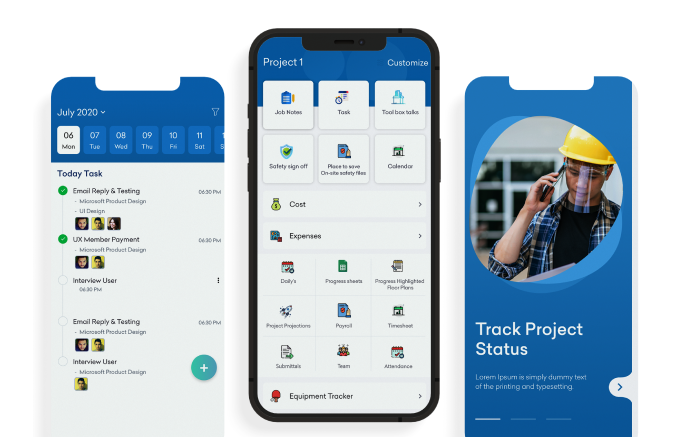
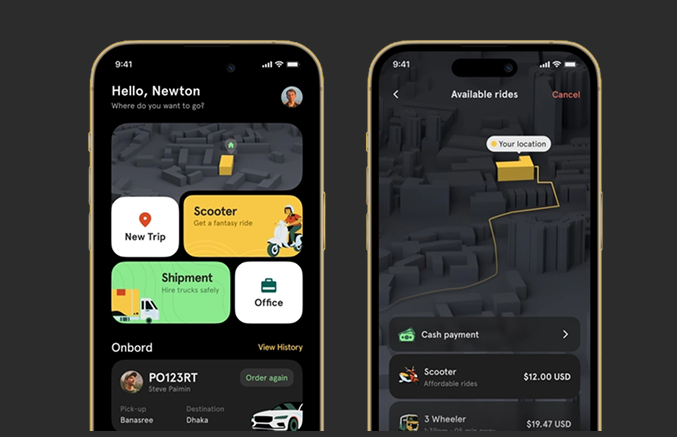
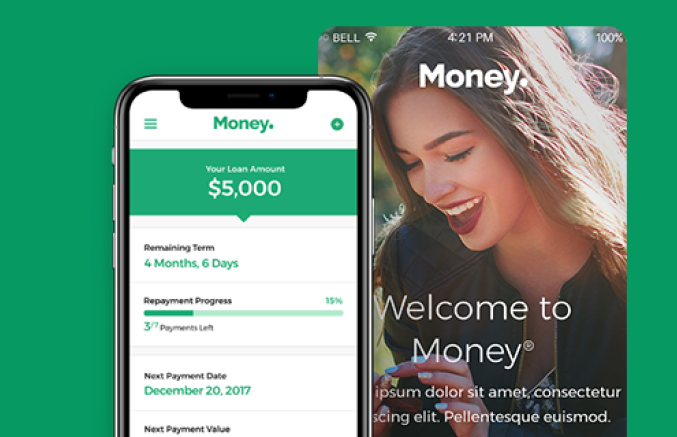
These case studies reflect our expertise, from architecture to live deployment. Each example highlights real decisions, technical execution, and outcomes observed in production environments.

Why Hire Full-Stack Developers from Mtoag Technologies?
16+ Years of Delivery Context
Our sixteen-plus years of experience shape how we hire, review, and guide developers. We have seen systems fail, recover, and scale. That history informs better decisions, realistic timelines, and calm execution when unexpected technical challenges surface during active development.
Developers Who Stay After Launch
We build teams that remain accountable post-release. Developers fix production issues, handle upgrades, and support evolving requirements. This continuity prevents knowledge loss and keeps systems stable instead of forcing constant re-explanations to new engineers.
Direct Access to Technical Decision Makers
You communicate directly with developers and leads, making technical choices. This speeds decisions, avoids misunderstandings, and keeps product, engineering, and business priorities aligned throughout development and maintenance cycles.
Practical Full-Stack Judgment
Our developers know when to simplify, when to optimize, and when to push back. They balance delivery speed with long-term impact, avoiding unnecessary complexity while protecting system health through thoughtful architecture and disciplined code practices.
Responsible Use of AI in Development
Our developers use AI tools for efficiency, not dependency. They apply them for code analysis, test assistance, and investigation support while maintaining full ownership of decisions, reviews, and outcomes. Human judgment always stays in control.
Stable Teams, Low Attrition Focus
We invest in developer continuity. Stable teams reduce onboarding waste and preserve system understanding. This consistency helps your product mature smoothly without constant resets, rushed knowledge transfers, or declining code quality over time.






Frequently Asked Questions (FAQs)
How Do Your Full-stack Developers Integrate with Existing Teams?
+They plug into your existing setup, syncing with your repos, communication tools, and sprint routines. We focus on minimizing friction so your internal engineers don’t spend weeks explaining context or handholding; they start contributing meaningfully from the first interaction.
Can I Scale the Team Size Up or Down Mid-project?
+Yes, but it’s handled with thought. We look at current workloads, knowledge transfer needs, and project priorities before shifting resources. That ensures you get additional hands without creating confusion or leaving gaps in responsibility.
Do Developers Handle Both Frontend and Backend Tasks Themselves?
+They take ownership end-to-end for features. That means they think about UI impact, data flow, API contracts, and maintainable code together, reducing misalignment between frontend and backend.
How Do You Ensure Code Quality Over Long Engagements?
+Developers continuously review each other’s work, refactor when needed, and handle production feedback. Over time, the team builds collective responsibility for clean code and predictable behavior.
What Industries have Your Developers Worked in?
+We have worked for a variety of systems—marketplaces, fintech tools, healthcare apps, and enterprise software. They carry lessons from each sector into new projects, anticipating edge cases, compliance nuances, and real-world user patterns.