16+ Years As the Leader in the UK’s E-commerce Industry
We are experts in developing e-commerce stores for businesses that process orders daily, handle traffic spikes, and depend on predictable releases. Our experience helps our teams to design for real catalog sizes, complex pricing, and payment failures. It shows most after launch, when production issues appear, and fixes cannot wait.
As an E-commerce Website Development Company, we stay involved after go-live. We handle failed deployments, payment edge cases, performance drops, and platform updates without escalation loops. Ongoing improvements happen through structured change requests, release schedules, and monitored rollouts.

Our E-commerce Website Development Services
Custom E-commerce Platform Development
We develop custom e-commerce platforms with business rules, catalog complexity, and operational workflows in mind. We design platform structures that support real trading needs. Our team defines data models, checkout logic, admin controls, and integration points before writing code. Development happens alongside testing and deployment planning, ensuring the platform supports growth, operational changes, and ongoing enhancements without disrupting live sales.
Store Architecture and System Planning
Store architecture work focuses on how services, data, and integrations behave under load. We map product data flows, order processing paths, and dependency risks early. Our architects coordinate closely with developers and infrastructure teams to avoid brittle systems. This approach supports predictable releases, controlled upgrades, and easier troubleshooting when production issues appear during peak trading periods.
Frontend and Backend Coordination
Our e-commerce website designers and developers work as one delivery unit. Frontend decisions consider backend behaviour, performance limits, and integration timing. Backend logic supports real user journeys rather than idealised flows. This coordination reduces rework, prevents late surprises, and keeps release cycles stable. The result supports consistent customer experiences and manageable change after launch.
AI Integrations for E-commerce Stores
We integrate AI capabilities where they solve operational problems. This includes search relevance tuning, personalised merchandising logic, fraud signal analysis, and support automation. As an AI-advanced e-commerce website development company, our team connects these systems directly into existing e-commerce platforms, ensuring reliability and explainable outcomes. AI integrations remain maintainable, monitored, and adjustable as trading patterns and business priorities evolve.
Performance, Stability, and Release Handling
Performance handling involves monitoring, tuning, and responding to live behaviour. We manage caching strategies, database efficiency, and release timing based on real traffic. When issues arise, we diagnose quickly and deploy fixes safely. This service protects revenue during promotions, seasonal peaks, and platform updates that can otherwise disrupt trading operations.
E-commerce Website Maintenance and Upgrades
Our e-commerce website maintenance services cover bug fixes, security updates, platform changes, and feature additions. We manage upgrade paths carefully, testing against existing integrations and custom logic. Maintenance work follows structured release cycles, avoiding surprise downtime. This service ensures the store remains dependable, compliant, and adaptable long after the initial build completes.
Technology Stack We Use for E-commerce Website Development
Framework
- Flutter
- React Native
Web & Admin Panel
- React.js
- Next.js
Backend & APIs
- Node.js
- NestJS
- Express.js
- Python (FastAPI)
- REST APIs
- GraphQL
Real-Time Communication
- WebSockets
- Socket.IO
- Firebase Cloud Messaging
Database & Storage
- PostgreSQL
- MongoDB
- Redis
- Amazon S3
- Google Cloud Storage
Maps & Location Services
- Google Maps API
- Mapbox
- Geofencing APIs
AI & Machine Learning
- TensorFlow
- PyTorch
- NLP Models
Payment Gateways
- Stripe
- PayPal
- Apple Pay
- Google Pay
- UK Local Payment Providers
Cloud & DevOps
- AWS
- Azure
- Google Cloud Platform
- Docker
- Kubernetes
- CI/CD Pipelines
Security & Compliance
- OAuth 2.0
- JWT
- SSL/TLS
- GDPR Compliance
Work That Makes Us a Leading Web & Mobile App Development Company
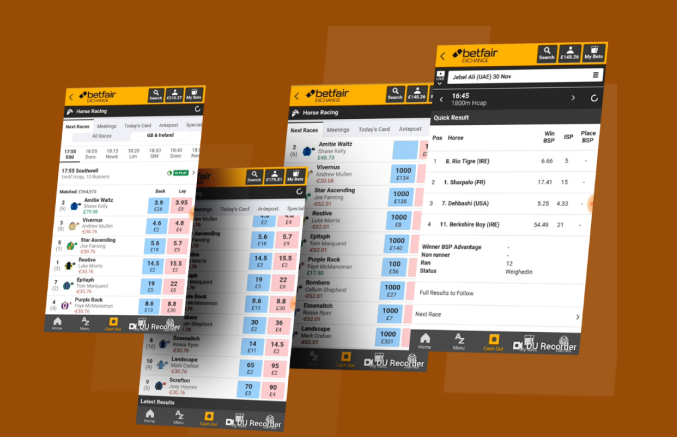
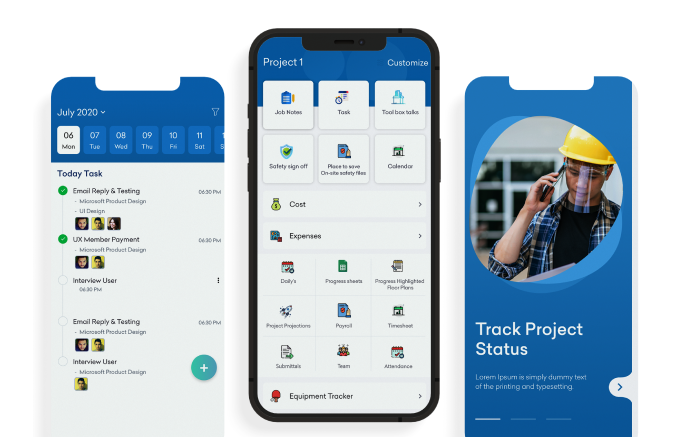
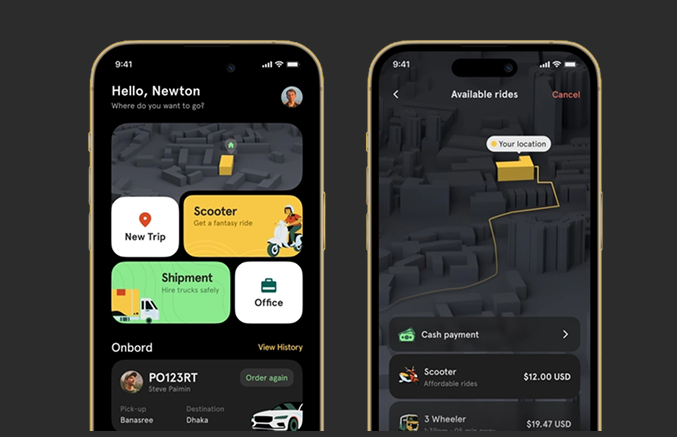
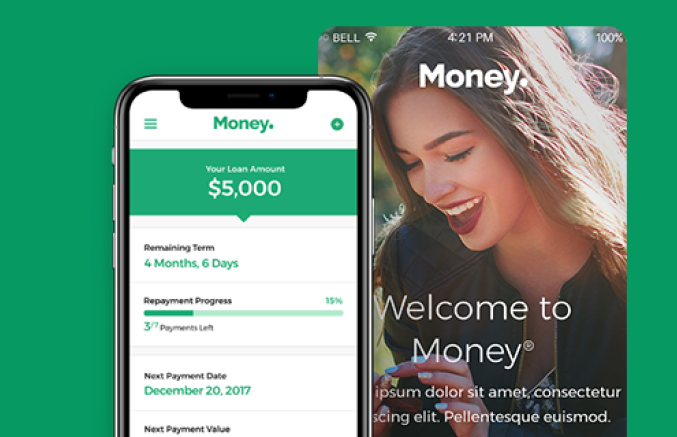
These case studies reflect our expertise, from architecture to live deployment. Each example highlights real decisions, technical execution, and outcomes observed in production environments.
Why Choose Mtoag for E-commerce Website Development?
Cost-effective Solutions
Cost control comes through correct decisions, and that’s what reflects in our experience. We design systems that avoid unnecessary rebuilds and fragile workarounds. Our delivery process limits rework by aligning architecture, development, and operations early. Clients see predictable budgets because maintenance, upgrades, and fixes remain manageable. As an E-commerce Website Development Company, we focus on long-term operational cost, not short-term delivery optics.
Out-of-the-box Thinking
E-commerce problems rarely match textbook scenarios. We approach challenges based on observed store behaviour, integration limits, and operational constraints. Our team proposes practical alternatives when standard approaches fail. This thinking helps clients adapt processes, reduce risk, and support future changes. Solutions reflect how stores actually run, not how diagrams suggest they should behave.
Future-proof AI Integrations
AI features require careful placement within existing systems. We integrate AI where data quality, monitoring, and control remain clear. Our approach avoids black-box dependencies that create risk later. Integrations stay adjustable as models, vendors, and regulations change. This protects e-commerce operations while allowing teams to adopt AI benefits responsibly over time.
Long-term Maintenance Ownership
We stay responsible after launch. Maintenance work includes responding to incidents, managing upgrades, and implementing requested changes. Clients interact with teams that understand the system history. This continuity reduces downtime, speeds fixes, and improves decision-making. Long-term ownership defines our role as an e-commerce website development company supporting live revenue platforms.
Local Market Expertise
The UK e-commerce market brings specific payment methods, compliance requirements, and customer expectations. We work inside these realities daily. Our team understands VAT handling, regional logistics integrations, and UK trading peaks. Local collaboration supports clearer communication and faster decisions. This expertise influences architecture, release planning, and operational readiness throughout the project lifecycle.
Clear Accountability
Accountability means knowing who owns outcomes. Our teams manage delivery, releases, and post-launch support without handoffs. Issues receive direct attention from people who built the system. Clients gain confidence because responsibility stays clear. This approach supports trust, faster resolution, and consistent improvement across the entire e-commerce website development engagement.
FAQs
How Much Does E-commerce Website Development Typically Cost?
+E-commerce website development costs depend on platform selection, data complexity, integrations, and how much responsibility is required after launch. For UK businesses, a straightforward store with limited custom logic and standard integrations typically falls between £20,000 and £35,000. Larger ecommerce platforms with complex catalogs, AI features, multiple integrations, and long-term maintenance often exceed £80,000.
What Timelines Should We Expect for an E-commerce Project?
+Timelines vary by scope and complexity. Straightforward online store development may be completed within ten to twelve weeks. Larger custom e-commerce development projects often require four to six months. Timelines include planning, development, testing, and launch preparation. Ongoing improvements continue after launch through scheduled releases rather than fixed end dates.
Do You Handle E-commerce Website Maintenance After Launch?
+Yes, ecommerce website maintenance forms a core part of our work. We handle bug fixes, platform updates, security patches, and feature changes. Maintenance follows agreed response times and release schedules. Clients work with the same team that built the store, ensuring faster resolution and informed decisions throughout the store lifecycle.
Can You Integrate Third-party Systems into Existing Stores?
+We integrate payment gateways, ERP systems, CRM tools, logistics providers, and analytics platforms. Integration work includes data mapping, error handling, and monitoring. Our team tests integrations against live trading scenarios to ensure reliability. This approach reduces order failures and supports smooth operations across connected systems.
How Do You Support Growth and Increased Traffic?
+Growth support focuses on system behaviour, not assumptions. We monitor performance, tune infrastructure, and adjust architecture as traffic patterns change. Release planning considers trading peaks and promotions. This allows stores to handle increased demand while maintaining stability and predictable customer experiences.
UK Development Services
Hire CMS & eCommerce Developers in the UK
UK retailers and content-heavy organisations need CMS and ecommerce developers who understand performance, security patches, and conversion optimisation — not just theme installation. Mtoag provides WordPress, Drupal, Magento, and Shopify specialists who can customise platforms for UK payment methods, VAT workflows, and multilingual content when required.
Linking these hire pages with our ecommerce and website development services creates a clear topical cluster for search engines. Buyers researching hire WordPress developers UK or Magento developers London can navigate to full-service pages when they need a complete delivery partner instead of staff augmentation alone.
Use the related links below to compare platform-specific expertise, explore our ecommerce service overview, and read blog content about scaling online stores in competitive UK markets.
CMS and Ecommerce for UK Merchants
eCommerce Website Development UK covers WordPress, Drupal, Magento, and Shopify for revenue-critical UK storefronts.
Platform expertise prevents plugin conflicts and upgrade outages during peak trading.
WordPress and Drupal Content Platforms
WordPress sites get custom themes, headless frontends, and caching for Core Web Vitals.
Drupal supports enterprise permissions, multilingual content, and phased migrations with SEO redirects.
Magento and Shopify Commerce
Magento handles complex B2B pricing and multi-store UK brands. Shopify accelerates DTC launches with subscription and fulfilment apps.
We configure UK payment gateways, VAT rules, and peak-season load testing.
Security and Maintenance
CMS sites are attack targets. We apply security headers, backups, and monitored update schedules.
Retainers include plugin audits and publisher training for routine content changes.
Hiring Models for Commerce Teams
eCommerce Website Development UK offers dedicated CMS developers or replatforming project teams with UK-hour SLAs.
Peak Trading and UK Retail Readiness
Black Friday, Boxing Day, and seasonal campaigns stress storefronts. We load-test checkout flows, cache layers, and payment gateways before peak windows.
eCommerce Website Development UK teams monitor error rates during trading spikes and maintain rollback plans when platform updates coincide with promotions.
Related UK services
Themes, plugins, WooCommerce
Hire Drupal Developers UKEnterprise CMS builds
Hire Magento Developers UKMagento 2 custom development
Hire Shopify Developers UKShopify Plus and custom apps
Magento Development Company UKFull Magento projects
eCommerce Website Development UKEnd-to-end online stores