AI-Native |
Trusted by 750+ clients and backed by 16+ years of domain experience, Mtoag Technologies ranks as the best web and mobile app development company in the UK. Our adept team of experts includes web developers, iOS & Android developers, and AI engineers. We help startups and enterprises leverage AI-driven automation across Web, Mobile, Cloud and Digital Transformation.


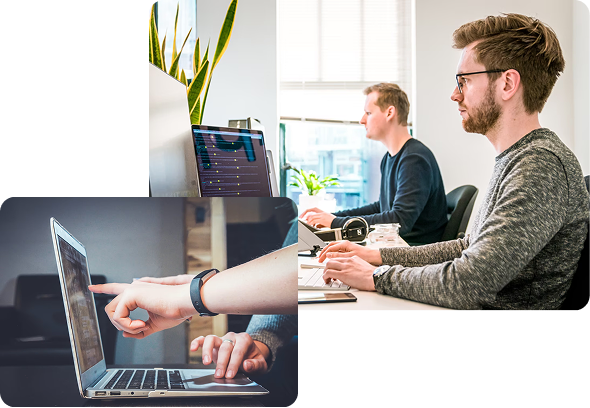
Transforming Businesses for an AI-Ready Future
Mtoag Technologies is one of the UK’s first AI-led web and mobile app development companies. We are a team of tech-savvy individuals, pioneering innovation with award-winning web, mobile, IoT, cloud, and AI services. We are not only experts at creating new digital solutions but upgrading the existing ones with advanced technologies. With our deep expertise in Azure, AWS, and hybrid environments, we architect APIs and microservices that integrate seamlessly with your existing systems. Don’t let your dream business idea stay in your dreams only, as we can help you make it a reality. It just takes the first step from your side, and the rest is our responsibility.
Explore Reading
Tech Stack That Powers Our Solutions
We build on a robust and future-ready technology stack designed for performance, security, and seamless integration. Each tool and framework we use has been tested in real environments to ensure security, stability, and smooth integration across systems.
Mobile App Development
Our mobile app development stack supports high-performance application architecture, secure data exchange, and scalable feature expansion. The technologies enable controlled releases, stable backend synchronization, and consistent runtime behavior across mobile platforms.

Android App Development

iPhone App Development

iOT App Development

Cross Platform Development

Wearable App Development

Swift App Development
Web & Mobile App Development Services We Offer
As a Web & Mobile App Development company, we design, build, and maintain digital products that are technically sound and ready for real-world use. Our services are shaped by hands-on project experience, evolving technology standards, and long-term performance requirements.
Mobile App Development
Mobile apps fail when architecture decisions are rushed. We take the opposite approach. For iOS, we build using Swift and SwiftUI, following Apple’s native lifecycle and memory management standards. For Android, we develop with Kotlin, Jetpack, and MVVM architecture, focusing on stability. Cross-platform applications are developed using Flutter or React Native when shared logic supports performance and long-term maintainability.
Website Development
We don’t treat websites as visual assets. We treat them as systems. Frontend interfaces are built using React, Next.js, or Vue when performance and dynamic rendering are required. Static and content-driven builds are optimized for speed and SEO from day one. Backend logic is handled using Node.js, Laravel, or Django, depending on data flow, security needs, and scalability requirements.
AI App Development
AI becomes useful only when it fits naturally into the product flow. We build AI-driven applications using Python, TensorFlow, PyTorch, and custom-trained models, integrating intelligence at specific decision points rather than forcing automation everywhere. Our AI apps handle data processing, prediction logic, recommendations, and workflow automation within production-ready environments.
AI Integration Services
Many clients already have working systems. Our role is to enhance them without breaking stability. We integrate AI using OpenAI APIs, custom NLP models, and automation pipelines into existing web and mobile applications. Integrations are done with clear boundaries, so AI improves functionality without creating operational risk.
Web & Mobile App Maintenance
Maintenance is where real engineering discipline shows. We handle application monitoring, performance tuning, framework upgrades, security patches, and backend stability for web and mobile products already in use. Our team works on codebases written by us and by others, focusing on reducing errors, improving response times, and extending product lifespan.
Digital Marketing
Our marketing work starts from the product’s technical foundation. SEO, analytics, and performance tracking are implemented with a clear understanding of site structure, rendering behavior, and data flow. We work with Google Analytics, Search Console, and technical SEO tools to improve visibility through structure, speed, and content alignment.
Work That Makes Us a Leading Web & Mobile App Development Company
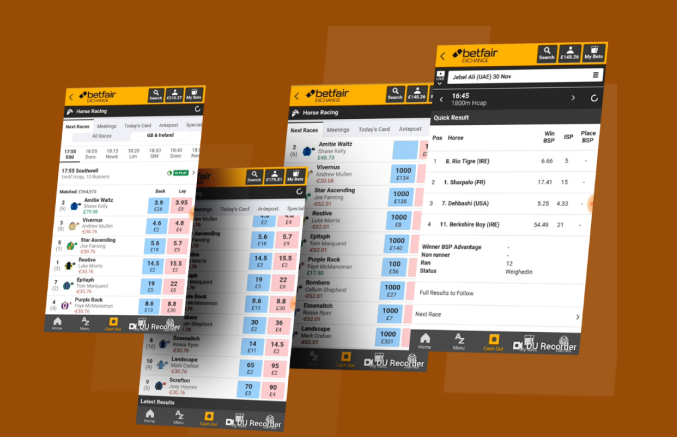
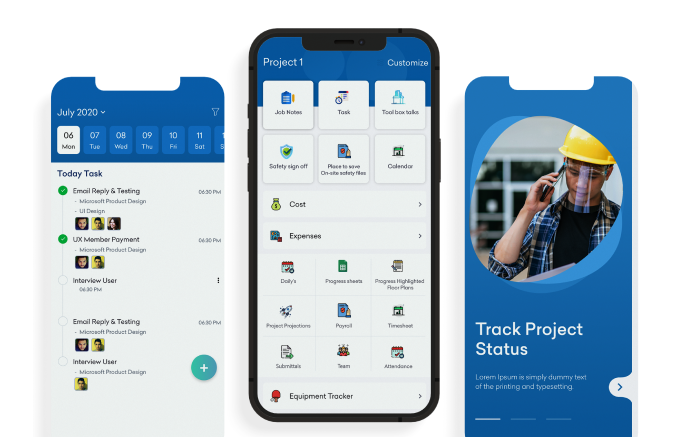
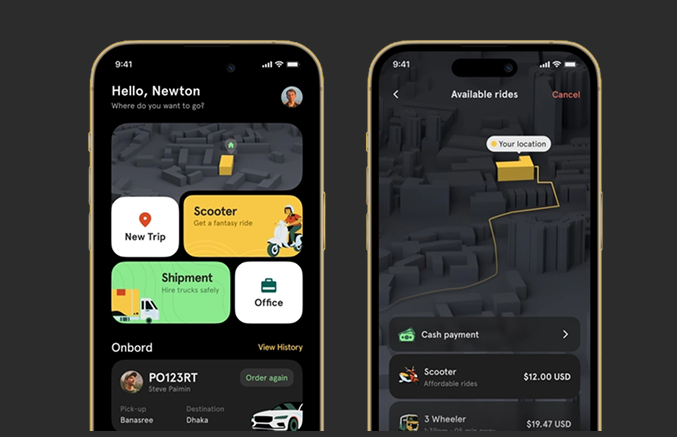
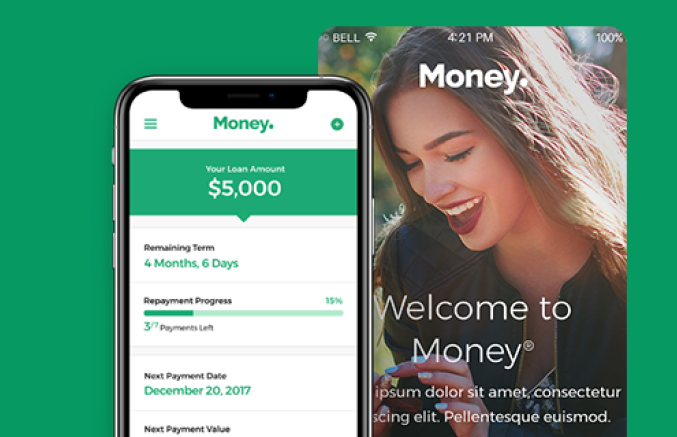
These case studies reflect our expertise, from architecture to live deployment. Each example highlights real decisions, technical execution, and outcomes observed in production environments.
Solutions Engineered for Diverse Industries
Healthcare
Our healthcare solutions focus on data security, HIPAA compliance, and reliable patient engagement. We develop mobile and web applications for telemedicine, patient records management, and hospital administration. Each platform is designed for uptime, secure data exchange, and user-friendly workflows, enabling medical providers to deliver care efficiently while maintaining strict privacy and operational standards.
Banking & Finance
We build applications that prioritize security, compliance, and reliability in financial operations. From mobile banking apps to transaction platforms, our technology stack ensures end-to-end encryption, real-time processing, and regulatory alignment. Our solutions integrate seamlessly with core banking systems, support high-volume data handling, and provide scalable architectures for growing financial institutions.
Healthcare
Our healthcare solutions focus on data security, HIPAA compliance, and reliable patient engagement. We develop mobile and web applications for telemedicine, patient records management, and hospital administration. Each platform is designed for uptime, secure data exchange, and user-friendly workflows, enabling medical providers to deliver care efficiently while maintaining strict privacy and operational standards.
Education & E-Learning
We design platforms that enhance digital learning experiences for students, educators, and institutions. From interactive course delivery to LMS integrations, our solutions leverage adaptive technologies, real-time tracking, and scalable architectures. We ensure content accessibility, secure student data handling, and performance optimization, enabling a seamless learning environment across web and mobile platforms.
E-commerce
Our e-commerce solutions can handle high traffic, secure transactions, and dynamic product catalogs. We develop web and mobile storefronts using modern frameworks, integrated payment gateways, and scalable backend systems. Our platforms are optimized for performance, mobile responsiveness, and operational efficiency, ensuring a frictionless shopping experience and reliable order management for businesses of any scale.
Real Estate
We create property portals, listing platforms, and mobile applications tailored for agents and buyers. Our solutions focus on real-time updates, geolocation services, interactive media integration, and CRM connectivity. Each system is engineered for high availability, fast search performance, and scalable data handling, helping real estate professionals manage properties efficiently and enhance client engagement.
Travel
Our travel applications simplify booking, itinerary management, and real-time updates for customers and operators. We develop platforms that integrate with payment systems, mapping services, and third-party APIs for flights, hotels, and transportation. Each solution designed by us has high concurrency, secure transactions, and seamless performance, ensuring a reliable and enjoyable travel experience for users.
SaaS
We build scalable SaaS platforms designed for multi-tenant architectures, secure authentication, and high availability. Our applications support subscription management, analytics dashboards, and real-time collaboration features. We develop each system with performance monitoring, automated deployment, and maintainable code structures, ensuring clients receive robust, future-proof software solutions.
Awards and Recognition
Celebrating milestones and industry acknowledgment that reflect the real-world impact and excellence of our delivered solutions.




What Our Clients Say About Us

Company is known for its good reputation in the market today. It has catered good ...
Surajpal Raibari
Client Review
I worked with the mtoag technologies for a Software Development project. My initial decision to ...
Archana Sharma
Client Review
We had approached them for developing an application for our high end customers at Gurgaon. ...
Shailendra Yadav
Client Review
Latest Technology News & Blogs
Discover what’s trending in technology, business, enterprises, and beyond.
2026’s Updated List of Top App Development Companies in the UK
Explore Reading
Mobile App Design Basics: Steps to Build a Perfect App
Explore Reading